
Property damage investigation
Understand the damage. Document the findings.
Forensic inspection and damage documentation for substantial property insurance claims.
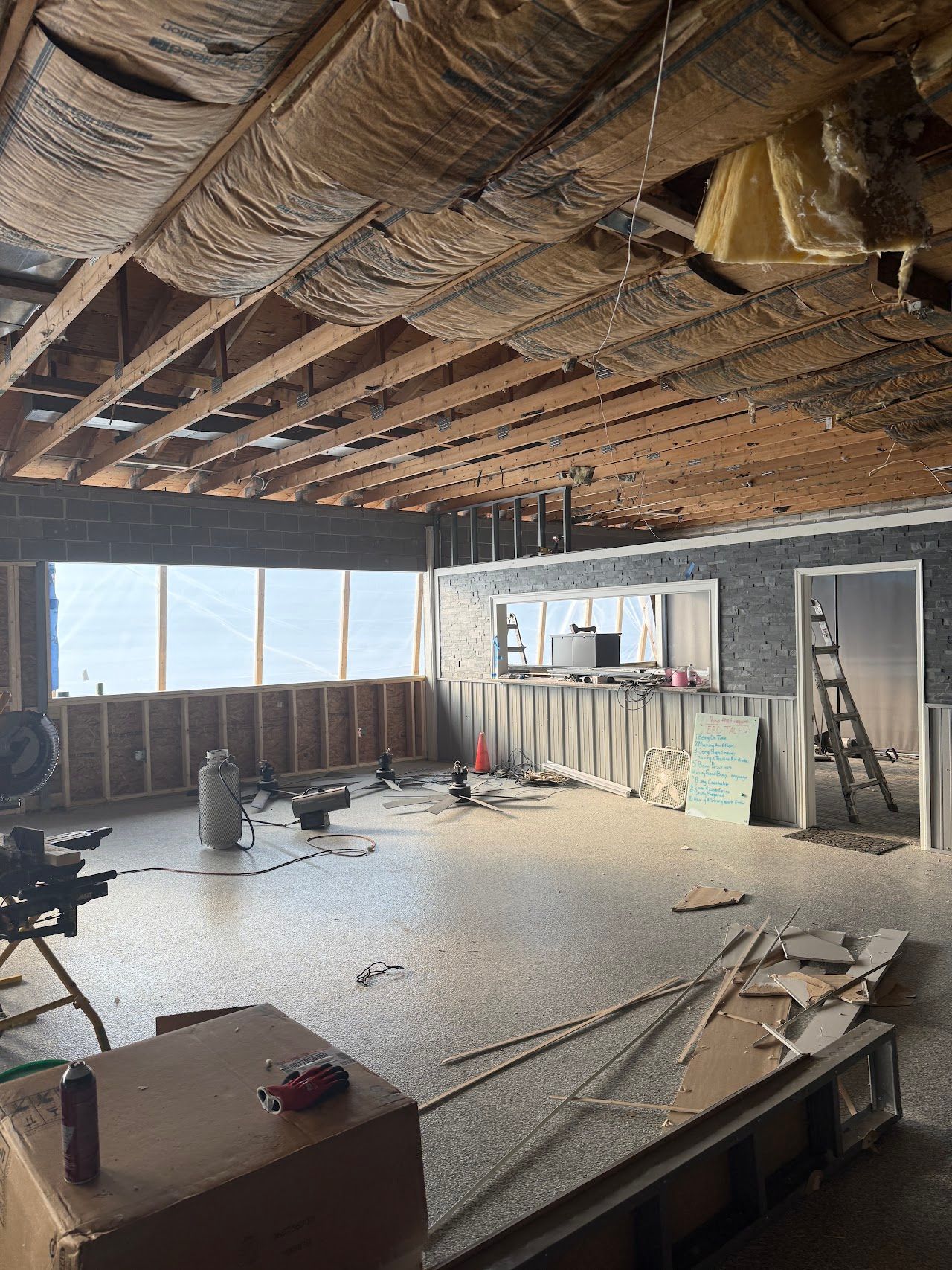
A clear role in the claim
Begin with the property and the available evidence.
A forensic inspection involves gathering and analyzing information about property damage. Professional judgment, observation, and available technical information help guide the investigation.
For a large loss, the important questions may extend beyond one damaged surface. Write It Right works to document findings and identify areas where more information or specialist input may be needed.
The purpose is a supported damage record. An inspection does not guarantee coverage, a particular cause determination, or a settlement amount.
What the work focuses on
Reported damage
Review the loss history and the building areas identified as damaged.
Supporting information
Consider available photos, prior estimates, observations, and relevant records.
Repair-scope questions
Document findings and identify questions that should be addressed in the claim and repair estimate.
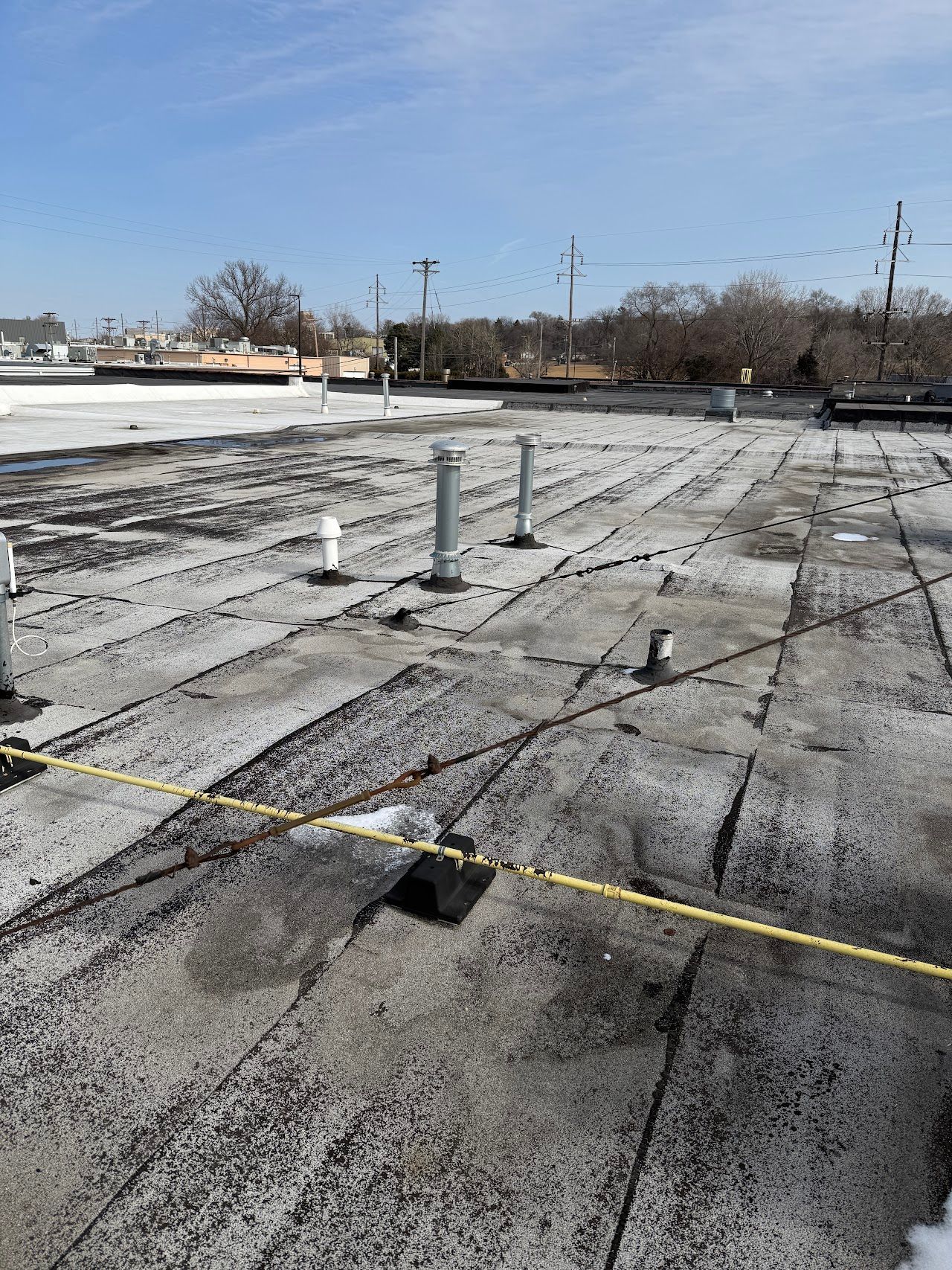
From observations to documentation
Part of a connected process.
Inspection findings provide a starting point for the damage reports, repair estimates, and communication that follow.
Explore our commercial and multifamily large-loss approach
Explore the next step
Discuss your property loss.
Tell us the property type, estimated damage, and where the claim stands. Our focus is $500,000+ losses in Illinois and Wisconsin.